大聖寺の特別公開2025|京都非公開文化財で明治天皇の椅子を拝観
投稿日: 2025年10月29日
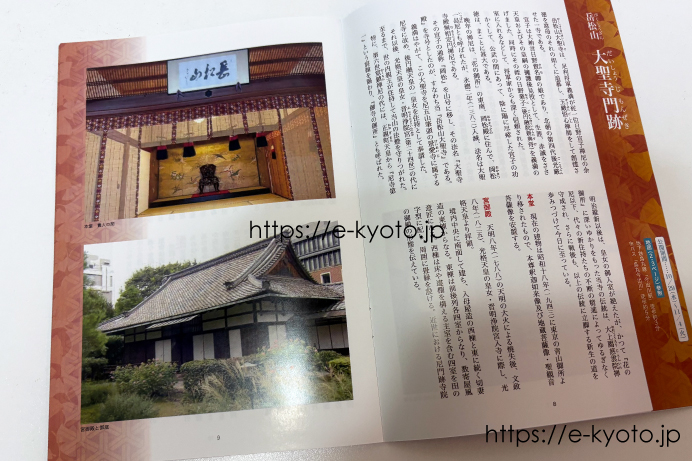
10月29日、昼過ぎから皇室ゆかりの尼門跡寺院・大聖寺(だいしょうじ)を訪れました。大聖寺はふだんは非公開の寺院ですが、今回は「第61回 京都非公開文化財特別公開」の一環として特別に公開されています。写真は拝観の手引きから。
場所は同志社大学の西向かいにあり、地下鉄「今出川駅」からすぐという抜群のアクセス。今回の特別公開は10月29日から11月4日までとのことで、2020年の公開を見逃していた私は、初日にさっそく足を運びました。
拝観券を購入すると、受付で「写真撮影はお庭を含めてすべて禁止」との案内。少し残念でしたが、その分、静かな雰囲気の中でゆっくり鑑賞できました。
今回のお目当ては、本堂「貴人の間」にある明治天皇の椅子。実際にお座りになったかは不明ですが、座面の布地がほつれており、来年修復予定とのこと。木製の脚部は日本製、生地はイタリア製との説明もあり、当時の文化交流の香りを感じさせます。
また、椅子の背後には、鳳凰と花々が描かれた「瑞鳥瑞花図(ずいちょうずいかず)」の障壁画があり、華やかで素晴らしかったですね。そのほかにも見どころが多く、格式高い尼門跡寺院ならではの落ち着いた魅力を感じました。
境内ではお茶席も設けられ、「貝合わせ」の体験もできるとのこと。ただし料金は3,000円。少し迷った末に見送ったのですが、帰り道で「やはり体験しておけばよかった」と、少し心残りの大聖寺拝観となりました。
Daishō-ji Temple Special Opening 2025 — Viewing the Emperor Meiji’s Chair at a Former Imperial Convent
On October 29, I visited Daishō-ji Temple, a former imperial convent with close ties to the Japanese Imperial Family. The temple is normally closed to the public, but on this occasion, it was specially opened as part of the 61st Annual Special Viewing of Kyoto’s Hidden Cultural Properties.
Located just across the street from Doshisha University and only a short walk from Imadegawa Station on the subway, Daishō-ji is very easy to reach. This special opening runs from October 29 to November 4, and since I missed the previous event in 2020, I made sure to visit on the very first day.
After purchasing my admission ticket, I was informed at the reception that photography was strictly prohibited—including in the garden. While that was a bit disappointing, it did allow me to appreciate the atmosphere in quiet reflection.
The main highlight of this visit was the chair of Emperor Meiji, displayed in the temple’s main hall, known as the Room of the Nobles (Kijin no Ma). Although it’s uncertain whether the Emperor actually sat on it, the fabric on the seat is frayed and scheduled for restoration next year. According to the explanation, the chair’s wooden frame was made in Japan, while the upholstery was imported from Italy—a fascinating reminder of Japan’s early modern cultural exchange.
Behind the chair is a splendid painted screen titled Zui-chō Zui-ka-zu (“Auspicious Birds and Flowers”), depicting phoenixes and blossoms in vivid color. The artwork added a refined elegance to the space, perfectly befitting a temple of such noble heritage.
In the temple grounds, there was also a tea ceremony corner and an opportunity to try the traditional Kai-awase (shell-matching game). The experience cost 3,000 yen, and after some hesitation, I decided to pass—but on my way home, I couldn’t help feeling that perhaps I should have joined in. My visit to Daishō-ji ended with a small sense of regret, but it was nonetheless a memorable and graceful encounter with Kyoto’s imperial culture.